
Expert Sewage Treatment Plant Design
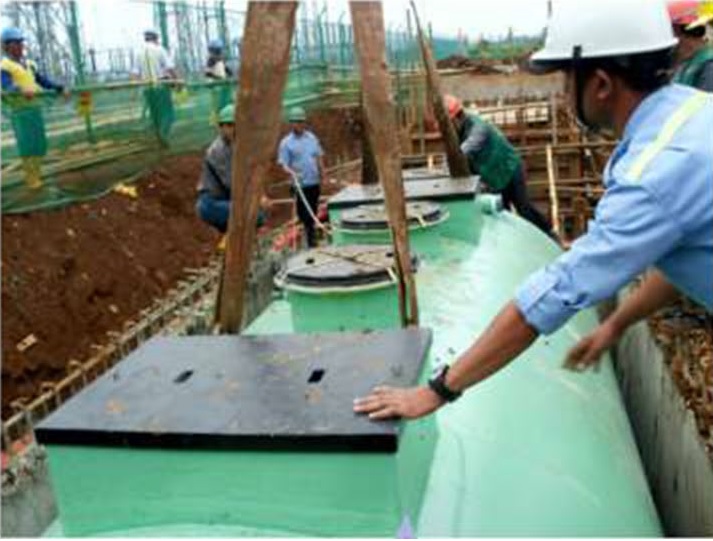
Expert sewage treatment plant design plays a crucial role in managing wastewater effectively while minimizing environmental impact. From preliminary considerations to process selection and regulatory compliance, meticulous planning is essential for designing efficient and sustainable sewage treatment systems. In this comprehensive guide, we’ll delve into the intricacies of expert sewage treatment plant design, offering valuable insights and best practices for creating effective solutions.
Understanding Sewage Treatment Plant Design
Defining Sewage Treatment Plant Design
Sewage treatment plant design involves the engineering and planning of facilities that treat wastewater from residential, commercial, and industrial sources. The design process encompasses the selection of treatment technologies, hydraulic calculations, and compliance with regulatory standards.
Key Components and Processes
Expert sewage treatment plant design integrates various treatment processes to remove contaminants and pathogens from wastewater. These processes include physical, biological, and chemical treatments, each serving a specific function in the treatment chain.
Preliminary Design Considerations
Site Selection and Land Requirements
The first step in sewage treatment plant design is selecting an appropriate site that meets regulatory requirements and community considerations. Factors such as proximity to the wastewater source, land availability, and environmental impact assessments influence site selection.
Estimating Wastewater Flow Rates and Loads
Accurate estimation of wastewater flow rates and loads is essential for sizing treatment units and infrastructure. Detailed analysis of influent characteristics, population projections, and industrial contributions informs design parameters and capacity requirements.
Assessing Treatment Objectives and Effluent Quality Standards
Setting treatment objectives and effluent quality standards guides the design process and ensures compliance with regulatory requirements. Parameters such as biochemical oxygen demand (BOD), suspended solids, and nutrient levels dictate treatment goals and design criteria.
Process Selection and Technology
Selecting Treatment Technologies
Expert sewage treatment plant design involves selecting appropriate treatment technologies based on influent characteristics and treatment objectives. Options range from conventional activated sludge systems to advanced membrane bioreactors and innovative nutrient removal processes.
Designing Treatment Units
Designing treatment units requires careful consideration of hydraulic retention times, loading rates, and treatment efficiencies. Primary treatment units such as screens and sedimentation tanks remove solids and debris, while secondary treatment processes such as activated sludge and trickling filters remove organic matter and nutrients.
Designing Tertiary Treatment Units
Tertiary treatment units provide additional polishing of the effluent to meet stringent discharge standards or support reuse applications. Technologies such as UV disinfection, membrane filtration, and chemical precipitation are employed to achieve desired water quality objectives.
Hydraulic Design and System Integration
Calculating Hydraulic Parameters
Hydraulic calculations are essential for sizing pipelines, pumps, and tanks to ensure proper flow distribution and treatment performance. Design engineers utilize hydraulic modeling software and empirical equations to optimize system hydraulics and minimize energy consumption.
Ensuring Proper Flow Distribution
Efficient flow distribution is critical for maximizing treatment efficiency and preventing hydraulic short-circuiting. Designing well-engineered flow control structures, such as weirs and baffles, ensures uniform flow distribution across treatment units and minimizes dead zones.
Integrating Treatment Units
Integration of treatment units into a cohesive system requires careful planning and coordination to optimize performance and minimize footprint. Design engineers consider factors such as process sequencing, sludge handling, and emergency bypass provisions to ensure operational reliability and flexibility.
Sustainability and Energy Efficiency
Incorporating Sustainable Design Principles
Sustainable sewage treatment plant design emphasizes resource recovery, energy efficiency, and environmental stewardship. Strategies such as anaerobic digestion for biogas production, nutrient recovery for agricultural use, and green infrastructure for stormwater management enhance sustainability and resilience.
Implementing Energy-Efficient Technologies
Energy consumption is a significant operational cost for sewage treatment plants. Incorporating energy-efficient technologies, such as high-efficiency pumps, variable frequency drives, and energy recovery systems, reduces operational expenses and carbon emissions.
Evaluating Life Cycle Costs
Evaluating life cycle costs allows designers to assess the long-term economic viability and environmental impact of treatment plant designs. Considerations such as capital investment, operational expenses, maintenance requirements, and disposal costs inform decision-making and prioritize investments in cost-effective solutions.
Regulatory Compliance and Permitting
Understanding Regulatory Requirements
Sewage treatment plant design must comply with federal, state, and local regulations governing water quality, discharge standards, and environmental protection. Design engineers work closely with regulatory agencies to ensure that designs meet permitting requirements and obtain necessary approvals.
Ensuring Effluent Quality and Discharge Limits
Effluent quality standards dictate the level of treatment required to protect receiving waters and public health. Design engineers conduct comprehensive water quality modeling and effluent testing to verify compliance with discharge limits and demonstrate environmental stewardship.
Engaging with Regulatory Agencies
Effective communication and collaboration with regulatory agencies are essential for navigating the permitting process and addressing regulatory concerns. Design engineers participate in public meetings, stakeholder consultations, and regulatory reviews to facilitate project approvals and ensure regulatory compliance.
Expert sewage treatment plant design is critical for safeguarding public health, protecting the environment, and promoting sustainable development. By incorporating best practices, innovative technologies, and regulatory compliance into the design process, engineers can create efficient and resilient sewage treatment systems that meet the needs of communities today and tomorrow.
Ready to design a sustainable sewage treatment plant? Contact us at PT Multi Tehnik Jaya Mandiri to leverage our expertise in sewage treatment plant design and create environmentally responsible solutions for your wastewater management needs.