
Gas Turbine Power Plant Construction
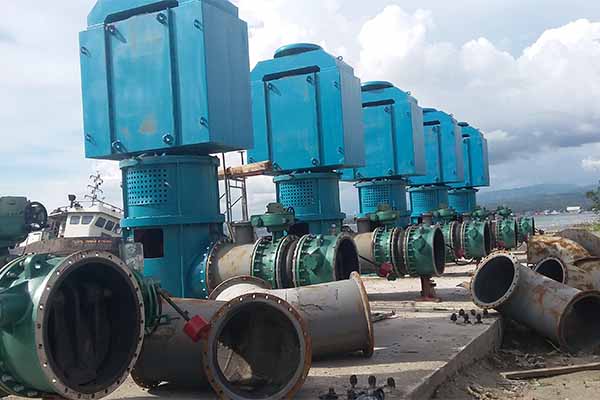
Gas turbine power plants are at the forefront of the energy revolution, providing reliable and sustainable electricity generation worldwide. As demand for cleaner energy sources continues to grow, understanding the intricacies of gas turbine power plant construction becomes paramount. In this guide, we’ll delve into the essential components, construction phases, benefits, and considerations involved in the development of these cutting-edge facilities.
Key Components of Gas Turbine Power Plants
Gas turbine power plants rely on a sophisticated interplay of components to generate electricity efficiently. These components, including gas turbines, compressors, combustors, generators, and auxiliary systems, work in tandem to convert fuel into power seamlessly.
Construction Phases of Gas Turbine Power Plants
1. Site Preparation: Before construction commences, meticulous site preparation is essential to ensure a stable foundation for the power plant’s infrastructure. This phase involves clearing, leveling, and groundwork to optimize the site for construction activities.
2. Foundation Construction: The construction of robust concrete foundations forms the backbone of the power plant’s structure, providing support for heavy machinery and equipment. Proper foundation construction is critical for long-term reliability and stability.
3. Equipment Installation: Once the foundations are in place, the installation of gas turbines, compressors, generators, and ancillary equipment begins. Skilled technicians meticulously assemble and interconnect these components to ensure seamless operation.
4. Commissioning and Testing: The commissioning and testing phase is crucial for verifying the functionality and performance of the power plant. Rigorous testing protocols are employed to ensure that all systems meet safety standards and regulatory requirements.
Benefits of Gas Turbine Power Plants
Gas turbine power plants offer numerous advantages over traditional energy sources. Their high efficiency, rapid deployment capabilities, fuel flexibility, low emissions, and grid stability make them an attractive choice for meeting energy demands while reducing environmental impact.
Considerations in Gas Turbine Power Plant Construction
Despite their benefits, gas turbine power plant construction presents various challenges and considerations. These include regulatory compliance, environmental impact mitigation, safety protocols, budget management, and long-term maintenance planning. Addressing these factors is essential for ensuring the success and sustainability of the project.
Gas turbine power plant construction represents a significant milestone in the transition towards cleaner and more sustainable energy sources. By understanding the key components, construction phases, benefits, and considerations outlined in this guide, stakeholders can navigate the complexities of gas turbine power plant development with confidence and efficiency.
In conclusion, gas turbine power plant construction is a multifaceted process that requires careful planning, skilled execution, and adherence to regulatory standards. With the right approach and expertise, gas turbine power plants hold the potential to revolutionize the energy landscape and pave the way for a greener future.
Ready to embark on your power plant project? Contact PT MTJM today to learn how we can bring your energy vision to life.