
Clean Water Treatment Plant Construction
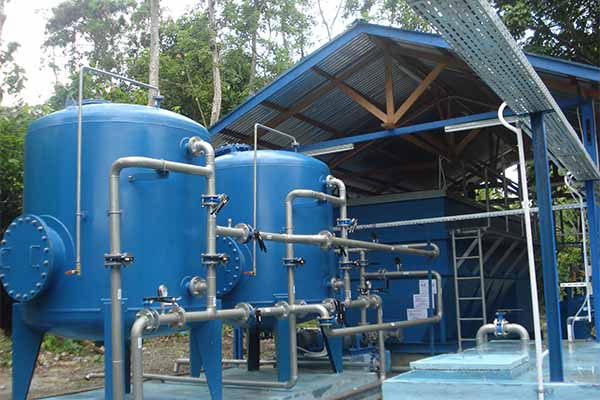
Clean water treatment plant construction is a critical component of ensuring access to safe and potable water for communities worldwide. The construction process involves meticulous planning, precise execution, and adherence to stringent standards to guarantee the delivery of clean and safe water to consumers. In this comprehensive guide, we’ll explore the essential steps and considerations involved in constructing clean water treatment plants, offering valuable insights and best practices for successful project implementation.
Planning and Pre-construction Phase
Selecting the Ideal Site for Clean Water Treatment Plants
Choosing the optimal location for clean water treatment plants is crucial for efficiency and effectiveness. Factors such as proximity to water sources, geological stability, and accessibility must be carefully evaluated during site selection.
Securing Permits and Regulatory Approvals
Obtaining the necessary permits and regulatory approvals is a prerequisite for initiating construction. This involves navigating through various environmental regulations, land use laws, and water quality standards to ensure compliance with legal requirements.
Design Development and Engineering
The design phase involves developing comprehensive plans and engineering solutions tailored to meet the specific needs of the community. Engineers utilize advanced technologies and modeling techniques to design treatment processes, infrastructure layout, and hydraulic systems.
Construction Phase
Executing Site Preparation and Earthwork
The construction process begins with site preparation and earthwork, including clearing vegetation, leveling the land, and excavating trenches for pipelines and infrastructure. Proper site preparation sets the stage for smooth construction operations.
Installing Treatment Units and Systems
The installation of treatment units and systems is a critical phase of clean water treatment plant construction. This involves assembling and integrating various components such as filtration units, disinfection systems, and chemical dosing equipment according to the engineered design.
Constructing Infrastructure for Clean Water Facilities
Infrastructure construction encompasses the building of structures such as treatment buildings, pump stations, storage tanks, and distribution pipelines. Construction crews work diligently to ensure the structural integrity and functionality of these essential components.
Quality Control and Assurance
Conducting Rigorous Testing and Commissioning
Quality control and assurance are paramount in clean water treatment plant construction to ensure that systems operate as intended. Comprehensive testing and commissioning procedures validate equipment performance and verify treatment efficacy.
Monitoring Construction Progress and Compliance
Continuous monitoring of construction progress and adherence to specifications is essential for project success. Project managers oversee construction activities, conduct site inspections, and address any deviations from the approved plans promptly.
Implementing Environmental Considerations
Minimizing Environmental Impact
Construction activities can have environmental repercussions, such as habitat disturbance and sediment runoff. Implementing erosion control measures, sedimentation basins, and silt fences minimizes environmental impact and protects natural resources.
Adopting Sustainable Construction Practices
Sustainable construction practices, such as utilizing recycled materials, minimizing energy consumption, and implementing green building techniques, reduce the ecological footprint of clean water treatment plant construction projects.
Ensuring Safety and Risk Management
Prioritizing Safety Protocols
Safety is paramount in construction, particularly in hazardous environments such as water treatment plants. Implementing robust safety protocols, providing comprehensive training, and enforcing strict adherence to safety regulations mitigate risks and ensure worker protection.
Identifying and Mitigating Hazards
Identifying potential hazards and implementing risk mitigation measures is essential for preventing accidents and injuries. Hazard assessments, job hazard analyses, and safety audits help identify and address risks before they escalate.
Project Management and Coordination
Scheduling and Resource Allocation
Effective project management involves meticulous scheduling and resource allocation to ensure timely completion within budget constraints. Project managers utilize project management software, critical path analysis, and resource leveling techniques to optimize project efficiency.
Facilitating Stakeholder Communication and Coordination
Stakeholder communication and coordination are vital for project success. Project managers foster open communication channels, conduct regular meetings, and engage stakeholders throughout the construction process to address concerns and ensure alignment with project objectives.
Clean water treatment plant construction is a complex and multifaceted process that requires careful planning, precise execution, and unwavering commitment to quality and safety. By following best practices, adhering to regulatory standards, and prioritizing sustainability, clean water treatment plant construction projects can deliver safe and reliable water supplies to communities for generations to come.
Ready to embark on your clean water treatment plant construction project? Contact us at PT Multi Tehnik Jaya Mandiri to leverage our expertise in sustainable construction practices and ensure the success of your water infrastructure project.