
Waste Water Treatment Plant Engineering
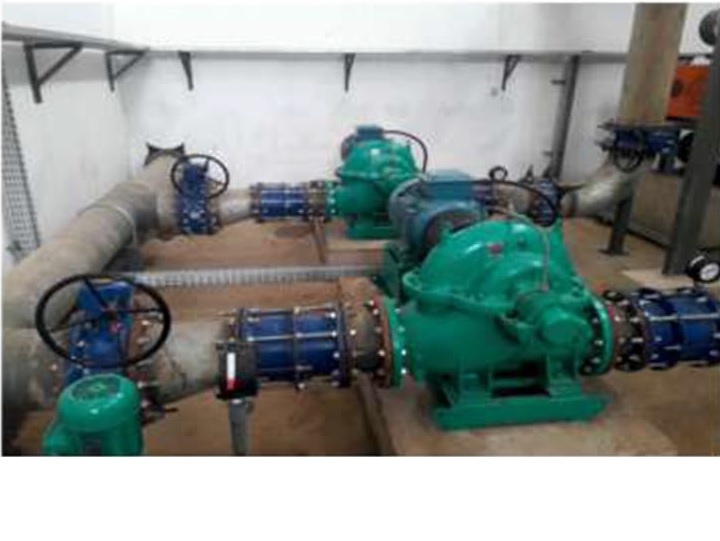
Waste water treatment plant engineering is a multifaceted discipline crucial for safeguarding public health and preserving the environment. The engineering behind waste water treatment plants involves intricate design principles, innovative technologies, and sustainability practices aimed at efficiently removing pollutants from waste water streams. In this article, we will delve into the essential aspects of waste water treatment plant engineering, from design considerations to technological advancements, to equip you with the knowledge needed to tackle wastewater treatment projects effectively.
Design Principles and Process Selection
Understanding Waste Water Characteristics
Successful waste water treatment plant engineering begins with a comprehensive understanding of waste water characteristics. Engineers analyze the composition of waste water streams, including pollutants, contaminants, and organic matter, to determine the most suitable treatment processes.
Selecting Appropriate Treatment Processes
With an understanding of waste water characteristics, engineers can select appropriate treatment processes to effectively remove pollutants and contaminants. Treatment options range from physical processes such as sedimentation and filtration to biological processes like activated sludge and oxidation.
Technological Advancements in Waste Water Treatment
Introduction to Advanced Treatment Technologies
Advancements in waste water treatment technologies have revolutionized the field of waste water treatment plant engineering. Innovative technologies such as membrane filtration, ultraviolet disinfection, and advanced oxidation processes offer more efficient and effective solutions for treating waste water.
Innovative Approaches to Waste Water Treatment
In addition to advanced treatment technologies, engineers are exploring innovative approaches to waste water treatment, including decentralized treatment systems, resource recovery technologies, and nature-based solutions such as constructed wetlands. These approaches offer sustainable alternatives to traditional treatment methods.
Sustainability Practices in Waste Water Treatment
Implementing Green Technologies
Sustainability is a key consideration in waste water treatment plant engineering. Engineers are increasingly incorporating green technologies such as energy-efficient pumps, renewable energy sources, and eco-friendly materials to minimize environmental impact and reduce operational costs.
Resource Recovery and Reuse
Another important aspect of sustainability in waste water treatment is resource recovery and reuse. Engineers are exploring opportunities to recover valuable resources such as energy, nutrients, and water from waste water streams, turning waste into valuable commodities.
Regulatory Compliance and Permitting
Ensuring Adherence to Environmental Regulations
Compliance with environmental regulations is essential in waste water treatment plant engineering. Engineers must navigate complex regulatory frameworks governing water quality, discharge standards, and environmental protection to ensure that treatment plants meet legal requirements.
Navigating the Permitting Process
Obtaining permits and regulatory approvals is a critical step in the development of waste water treatment plants. Engineers work closely with regulatory agencies to navigate the permitting process, submit necessary documentation, and address any concerns or requirements.
Case Studies and Success Stories
Showcase of Successful Waste Water Treatment Plant Projects
To illustrate the principles and practices of waste water treatment plant engineering in action, we’ll showcase successful projects from around the world. These case studies will highlight engineering innovations, technological advancements, and sustainable practices that have led to the successful implementation of waste water treatment plants.
Highlighting Engineering Innovations and Achievements
We’ll also highlight engineering innovations and achievements in waste water treatment plant engineering. From groundbreaking technologies to collaborative partnerships, these success stories demonstrate the transformative impact of engineering in addressing the global challenge of waste water treatment.
Waste water treatment plant engineering plays a crucial role in protecting public health, preserving the environment, and promoting sustainability. By applying design principles, leveraging technological advancements, and embracing sustainability practices, engineers can design and build waste water treatment plants that meet the needs of communities while safeguarding natural resources for future generations.
Ready to embark on your waste water treatment project? Contact us at PT Multi Tehnik Jaya Mandiri to leverage our expertise in waste water treatment plant engineering and design sustainable solutions for your waste water management needs.